


Plumber in Winter Garden, FL is often the first search homeowners make when warm floors, rising water bills, or the sound of running water starts causing worry. That concern is justified. A slab leak can stay hidden under concrete while it slowly damages flooring, walls, and even the foundation. The longer it goes unnoticed, the more expensive the cleanup and repair can become. The good news is that the source of a slab leak can usually be found with the right diagnostic process. Modern leak detection methods allow a skilled plumbing service to narrow down the location without tearing up the entire house. If you are wondering whether plumbers can truly pinpoint a leak under a slab, the answer is yes, and understanding how helps you act faster.
What makes a slab leak so hard to ignore in Florida homes

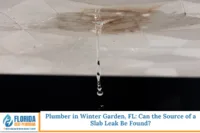
A slab leak is a water line leak that develops beneath a concrete foundation. In many Florida homes, plumbing lines run under or through the slab, which makes a hidden leak especially disruptive. Instead of seeing water drip from an exposed pipe, homeowners may only notice symptoms around the house.
That is why this problem creates so much stress. Water can travel. The wet spot may not appear directly above the damaged pipe. A tiny opening in a line can also waste a surprising amount of water over time, increasing utility bills and exposing the home to moisture-related damage. The U.S. Environmental Protection Agency notes that household leaks can waste large amounts of water annually, which helps explain why even a concealed plumbing issue deserves quick attention.
In Winter Garden, slab leak concerns often become more urgent because moisture, heat, and mineral content in water can all contribute to long-term pipe wear. Homes built on concrete slabs are common across Central Florida, so this is not a rare issue for a local plumbing company to investigate.
Yes, the leak source can usually be found
The short answer is yes. In most cases, an experienced plumber can locate the source of a slab leak with a high degree of accuracy. That does not always mean the exact damaged inch of pipe is visible immediately, but modern diagnostic tools can usually identify the affected line, the most likely leak zone, and the best access point for repair.
This matters because slab leak work should not start with guessing. If a contractor breaks through flooring and concrete in the wrong place, the homeowner loses time and money. Accurate leak detection reduces unnecessary demolition and helps shape the right repair plan. That is one of the biggest differences between a rushed emergency plumbing visit and a methodical inspection by trained professionals.
How plumbers track a hidden leak under concrete
Finding the source is usually a step-by-step process, not a single test.
A plumbing service may use several methods together:
- pressure testing to confirm that a line is losing water
- isolation testing to determine whether the hot or cold side is affected
- acoustic listening equipment to detect leak noise below the slab
- thermal imaging to identify temperature differences, especially on hot water lines
- video inspection where conditions allow
- tracer gas or other advanced leak location methods in harder cases
Each method narrows the search. For example, a warm patch on the floor may suggest a hot water slab leak. Pressure loss in that branch supports the suspicion. Acoustic equipment may then help pinpoint the strongest sound pattern near the damaged section. Used together, these techniques can make leak detection far less invasive than homeowners expect.
What can make detection more complicated
Not every slab leak is equally easy to locate. Detection may take more time when:
- the leak is very small and intermittent
- flooring materials mute sound
- multiple pipe runs pass close together
- water travels far from the actual break
- previous repairs changed the original pipe layout
- the home has a complex manifold or mixed piping materials
Even then, “hard to find” does not mean “impossible to find.” It usually means the plumbing company needs a broader diagnostic approach before recommending repair.
Clues homeowners notice before a plumber arrives

Homeowners often catch the warning signs before the plumbing service is called. The earlier these signs are recognized, the better.
Common slab leak symptoms
A water bill that suddenly jumps
If water use habits have not changed but the bill has climbed, hidden leakage is one possible reason. Large household leaks can waste substantial water, and buried line leaks may continue 24 hours a day.
Warm or damp flooring
A hot water line leak can create warm spots on tile, vinyl, or concrete floors. Moisture may also appear near walls, carpet edges, or flooring seams.
The sound of water when fixtures are off
A faint hiss, trickle, or rushing sound with no faucet running can point to an active hidden leak.
Cracks or movement in flooring
Long-term moisture under a slab may affect flooring materials and, in some situations, contribute to shifting or settlement concerns.
Musty odors or unexplained indoor humidity
Persistent dampness below the home can encourage mold-friendly conditions even before visible staining appears.
Lower water pressure
If a leak diverts water from the system, pressure at sinks, showers, or other fixtures may drop.
These symptoms do not automatically prove a slab leak, but they absolutely justify a professional inspection.
Why slab leaks happen in the first place
A slab leak is a symptom. The real question is why the pipe failed.
Pipe corrosion and water chemistry
Some leaks begin when metal piping deteriorates over time. Chemical reactions inside the pipe, in the soil, or around the exterior of the line can weaken the wall until it pinholes or cracks.
Abrasion from expansion and vibration
Pipes expand and contract as hot water moves through them. If a pipe rubs against concrete, rebar, or surrounding material over many years, friction can wear it down.
High water pressure
Consistently elevated pressure puts stress on plumbing lines and joints. Over time, that stress can increase the risk of failure.
Shifting soil or foundation movement
Florida soils can expand, settle, or shift with moisture changes. Even minor movement can stress buried pipes.
Poor installation or aging materials
Older homes may have aging lines, past workmanship issues, or fittings that are simply near the end of their service life.
A good plumbing company does more than repair the leak. It also looks at why the failure occurred, because that shapes whether a spot fix, reroute, or repipe makes the most sense.
The best ways to repair a slab leak after it is found

Once the source is identified, repair options depend on the pipe material, leak location, accessibility, and overall condition of the system.
Direct access repair
This approach involves opening the slab at or near the leak to expose and repair the damaged line.
It may be appropriate when:
- the leak is isolated
- the pipe system is otherwise in good shape
- access can be gained without excessive disruption
The benefit is targeted repair. The downside is demolition, patching, and the possibility that another weak area may fail later if the system is aging.
Pipe rerouting
Instead of opening the slab extensively, a plumber may reroute the affected line through walls, ceilings, or attic spaces where allowed and practical.
This option can reduce future risk under the slab and is often attractive when the buried section is hard to reach.
Whole-home or partial repiping
If the plumbing system shows widespread corrosion or multiple past leaks, repiping may be the more durable answer. It costs more upfront than a single repair, but it can prevent repeated emergency plumbing calls and multiple slab openings over time.
Epoxy or trenchless-style lining
Some homeowners ask about coating the inside of existing pipes rather than replacing them. This can be a specialized solution in certain systems, but it is not right for every home, every pipe material, or every local approval scenario. A licensed plumber should evaluate whether it is appropriate and code-compliant for the specific job.
Read Plumber in Winter Garden, FL: How Serious Is a Slow Leak Behind Your Wall?
What a proper repair should also include
Leak repair is only one piece of the project. A complete response often includes:
- moisture assessment
- drying or restoration recommendations
- pressure evaluation
- checking for additional weak points
- documentation for the homeowner
- permit and inspection planning when required
That last point matters. In Florida, regulated plumbing work is generally performed by properly licensed contractors, and local permitting requirements apply to many significant plumbing repairs or alterations. State law defines the scope of a plumbing contractor’s work, and local building departments enforce permit procedures.
Why licensing and permits matter in Winter Garden
Hiring the cheapest person with a truck is risky when the work involves a hidden leak under a structural slab.
Florida regulates plumbing contractors through the state’s contractor licensing framework, and plumbing contractor work falls within a defined scope under state law.
At the local level, Winter Garden’s building process requires licensed subcontractors to be listed on permit applications where applicable, and the city warns that after-the-fact permits can trigger tripled fees if required permits were skipped. Orange County’s plumbing permit process also states that homeowners doing their own work under an owner-builder exemption must complete additional disclosures.
What this means for homeowners
A homeowner should expect a legitimate plumbing company to discuss whether a permit is needed, who is responsible for pulling it, and what inspection steps may follow. That protects the homeowner in several ways:
- the work is documented
- repairs are more likely to meet code
- future sale disclosures are easier to manage
- insurance or warranty questions are easier to address
For a slab leak, that level of professionalism matters as much as the repair itself.
When emergency plumbing service is the right move

Not every slab leak feels dramatic at first, but some situations call for immediate help.
Call for emergency plumbing service when you notice:
- water surfacing through flooring
- rapidly growing wet areas
- a strong sound of active running water
- a sudden major loss of pressure
- signs that water is reaching electrical areas
- flooding near walls, cabinets, or baseboards
A hidden leak can turn into visible property damage fast. Quick action may reduce damage to floors, drywall, cabinetry, and personal belongings.
What to do before plumbers arrive
You do not need to diagnose the full problem on your own, but a few steps can help limit damage.
- Shut off the home’s main water supply if leakage appears active or severe.
- Avoid using hot water if you suspect a hot line leak.
- Move rugs, boxes, or furniture away from damp areas.
- Take photos of wet spots, cracks, or meter readings.
- Avoid breaking concrete or flooring before a professional inspection.
- Keep children and pets away from slick or damaged flooring.
Documenting symptoms can help the plumber compare what you noticed with the inspection results.
How a plumbing company decides between repair and replacement
Homeowners often want one simple answer: fix the spot or replace the system?
The honest answer depends on five practical questions:
How old is the plumbing system?
An older system with one slab leak may be nearing another.
Is the leak isolated or part of a pattern?
If there have already been several pinhole leaks, a single repair may only delay the next failure.
Where is the leak located?
Some locations are reasonably accessible. Others require major demolition.
What material are the pipes?
Pipe material affects longevity, repairability, and the risk of future leaks.
What is the cost of access and restoration?
Sometimes the plumbing repair itself is manageable, but flooring removal, slab opening, and finish restoration drive total cost much higher.
A trustworthy plumber will explain the tradeoffs instead of pushing the same answer on every home.
Slab leaks and home value: a problem best handled early
Many homeowners fear that discovering a slab leak means the home is permanently compromised. Usually, that is not the case. The bigger threat is delay.
A documented inspection, proper repair, and code-compliant work can help protect the home’s condition and saleability. A hidden leak left unresolved can do the opposite. Moisture intrusion, flooring damage, stains, and repair history without permits can create more trouble later than the original pipe failure did.
That is why early action matters. A fast call to a qualified plumbing service is not panic. It is prevention.
What homeowners in Winter Garden should remember most
The source of a slab leak can usually be found, and that answer should bring relief. Modern plumbers do not rely on guesswork alone. They combine testing, leak detection equipment, and repair planning to locate hidden problems with far less disruption than many people expect.
For homeowners in Winter Garden, the smartest move is to treat unusual moisture, warm floors, rising bills, or unexplained water sounds as an early warning. The right plumbing company can confirm the issue, identify the source, explain whether a permit is required, and recommend a repair path that fits the condition of the home and the plumbing system. Florida’s contractor and permitting rules make it especially important to use properly licensed professionals for regulated plumbing work.
Plumber in Winter Garden, FL – Florida Best Plumbing LLC

At Florida Best Plumbing LLC, we know how stressful a hidden leak can feel. When you need a plumber in Winter Garden, Florida, we respond with clear answers, careful diagnostics, and dependable service. Our team handles leak detection, repair planning, emergency plumbing, and general plumbing service for Winter Garden and the prominent surrounding areas. We work hard to locate the problem, explain your options, and help protect your home from bigger damage. If you have noticed warm floors, rising water bills, damp spots, or unexplained water sounds, call us at (407) 683-6644. We invite you to fill out our contact form so we can schedule service quickly. Trust Florida Best Plumbing LLC for professional plumbing solutions that put your home first.
Frequently Asked Questions
1. Can a slab leak affect indoor air quality even if I do not see mold?
Yes, it can. A hidden leak beneath the slab can increase moisture levels inside the home long before visible mold appears on walls or floors. That extra moisture may create a damp smell, make rooms feel humid, and worsen conditions for people who are sensitive to allergens. Even if the leak is small, constant water intrusion can affect materials such as underlayment, baseboards, and nearby drywall. A plumber can identify whether the plumbing issue is contributing to the moisture problem, and a restoration professional can determine whether drying, material removal, or further indoor air quality evaluation is needed after repair.
2. Will a slab leak always show up on my water meter?
Not always in an obvious way, but the water meter can still provide useful clues. If every fixture and appliance is off and the meter continues moving, that may suggest water is flowing somewhere in the system. However, very small leaks can be harder to notice, and some homes have usage patterns that make meter reading less simple. Irrigation lines and other plumbing features can also confuse the picture. A moving meter is a warning sign, not a final diagnosis. A plumbing service can use pressure testing and other tools to determine whether the hidden water loss is actually coming from a slab leak.
3. Can hard water make slab leaks more likely over time?
It can contribute. Hard water contains dissolved minerals that may build up inside plumbing lines over the years. That buildup can affect water flow and may contribute to long-term wear, especially in systems that are already aging or exposed to other stress factors. Mineral content alone does not cause every slab leak, but it can be part of the bigger picture when combined with corrosion, pressure issues, pipe vibration, or older materials. A plumber inspecting a slab leak may also recommend checking pressure, pipe condition, and water quality trends so the homeowner can reduce the chance of repeat plumbing repairs in the future.
4. Is it safe to stay in the house while slab leak repairs are being done?
In many cases, yes, but it depends on the repair method and the extent of the damage. If the work is limited and the area can be isolated safely, homeowners may remain in the property. If crews need to open concrete, remove flooring, dry wet materials, or shut off water for an extended period, the home may become inconvenient or temporarily unsuitable in certain rooms. Safety concerns can also change if there is extensive moisture, exposed surfaces, dust, or nearby electrical risk. Ask the plumbing company what to expect before work begins so you can plan for access, cleanup, and temporary service interruptions.
5. Does a slab leak mean the foundation itself is failing?
Not necessarily. A slab leak and a foundation failure are not the same thing. In many homes, the problem is limited to the plumbing line beneath the concrete, and the foundation remains structurally sound. That said, long-term water intrusion under a slab can create conditions that may affect soils, flooring, and nearby structural materials if ignored for too long. The leak should be addressed quickly so the home does not face avoidable secondary damage. If there are major cracks, obvious floor movement, or settlement concerns, a plumber may recommend coordinating with a qualified structural professional in addition to fixing the plumbing issue.
Disclaimer: This article is general information, not legal, code, or engineering advice. Permit and inspection requirements can vary by project and may change, so confirm current Winter Garden and Florida rules before starting plumbing work.
Read Plumber in Horizon West, FL: Can a Leaking Water Heater Cause Structural Damage?

Water Heater Replacement in Winter Garden, FL: Can Carbon Monoxide Leak from an Old Unit?
When a Failing Water Heater Becomes More [...]
Water Heater Replacement in Winter Garden, FL: The Risks of Incorrect Installation
Water Heater Replacement in Winter Garden, FL [...]
Plumbing Service in Winter Garden, FL: Why Are There Wet Spots on My Ceiling or Floor?
A small stain rarely stays small for [...]

Plumbing Service in Winter Garden, FL: How to Spot a Hidden Water Leak
The Leak You Don’t See Is Usually [...]
Plumber in Winter Garden, FL: How Serious Is a Slow Leak Behind Your Wall?
A small drip can turn into a [...]
Plumber in Winter Garden, FL: Can the Source of a Slab Leak Be Found?
Plumber in Winter Garden, FL is often [...]