


Why Aging Water Heaters Are More Than Just an Inconvenience
Water Heater Replacement in Winter Garden, FL is often delayed until a complete breakdown happens, but waiting can quietly turn a routine appliance into a serious safety concern. Many homeowners assume reduced hot water is the worst-case scenario, yet aging systems can corrode internally, leak unnoticed, or fail under pressure. These hidden issues may cause property damage, mold growth, or even scalding risks. Ignoring the warning signs often leads to higher repair costs and emergency situations. The good news is that replacing an outdated unit at the right time restores comfort, improves efficiency, and protects your household. Understanding when an old water heater becomes hazardous helps you make informed decisions before a minor issue escalates into a major problem.
How Water Heaters Age in Florida’s Climate
Florida’s warm, humid environment plays a significant role in how water heaters deteriorate over time. While freezing temperatures are rare, constant heat and moisture accelerate corrosion, especially inside the tank.
Mineral-Rich Water and Sediment Buildup
Many areas around Winter Garden have mineral content in the water supply. Over the years, minerals settle at the bottom of tank-style water heaters, forming sediment layers that:
- Reduce heating efficiency
- Cause overheating of the tank base
- Create popping or rumbling noises
- Shorten the system’s lifespan
Sediment buildup also makes the unit work harder, increasing wear on heating elements and internal components.
Humidity and External Corrosion
High humidity can cause exterior rust on fittings, valves, and the tank shell itself. Even small rust spots can weaken structural integrity, raising the risk of leaks or tank rupture.
Common Warning Signs Your Water Heater Is Becoming Unsafe
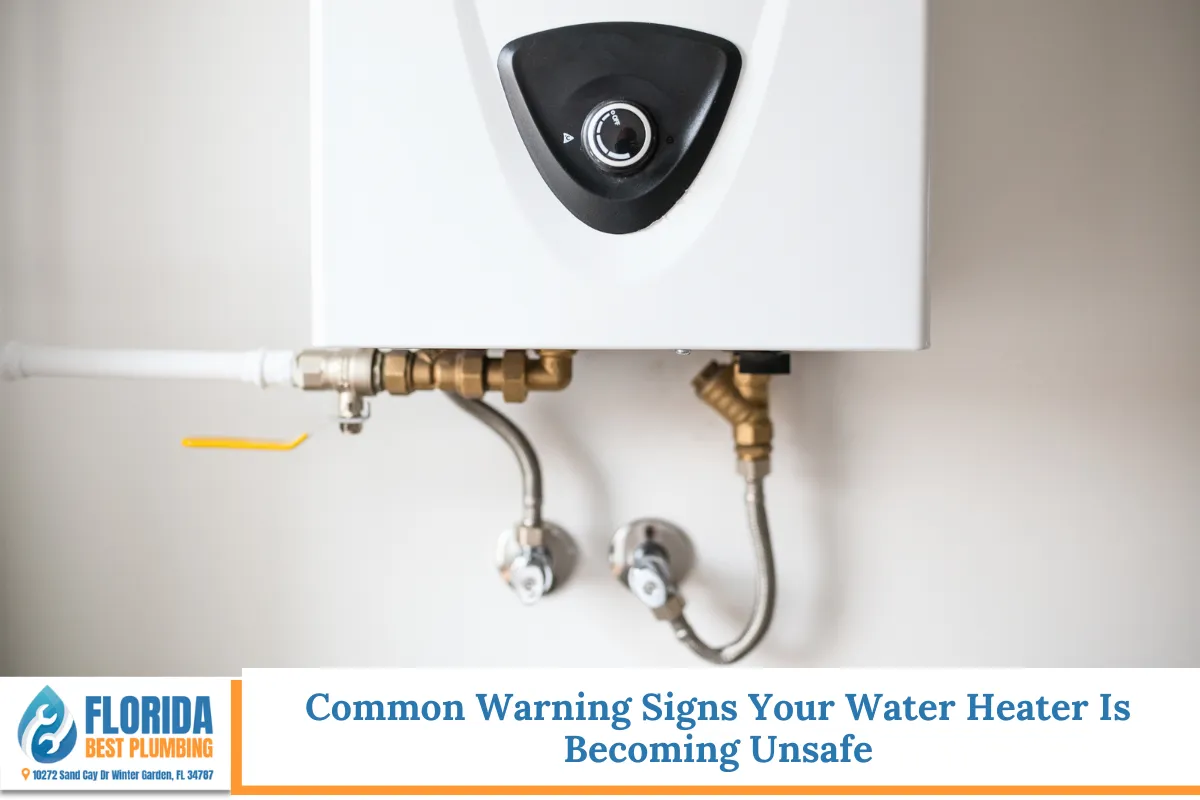
An aging system often gives subtle clues before it fails. Recognizing these early indicators can help you plan a timely water heater replacement instead of facing an emergency.
Discolored or Rusty Hot Water
Brown or reddish water usually signals internal corrosion. Once rust forms inside the tank, replacement is often the safest option, as repairs rarely stop the deterioration.
Inconsistent Water Temperature
Sudden temperature swings may indicate failing heating elements, sediment interference, or thermostat problems. These issues can lead to scalding risks, especially for children and older adults.
Water Pooling Around the Unit
Even small leaks are a red flag. Moisture around the base may point to internal cracks that can worsen quickly and cause flooding.
Unusual Noises During Operation
Popping, banging, or cracking sounds often come from hardened sediment. This forces the unit to overheat, which increases pressure inside the tank.
Pressure, Temperature, and the Risk of Tank Failure
Water heaters operate under constant pressure. Over time, safety components can wear out or malfunction, increasing the risk of dangerous failures.
Temperature and Pressure Relief Valves
Every water heater includes a temperature and pressure relief valve designed to release excess pressure. If this valve fails or becomes clogged, pressure can build to unsafe levels.
Expansion Issues in Closed Plumbing Systems
Modern plumbing systems are often closed, meaning water has nowhere to expand when heated. Without proper expansion control, internal pressure rises, stressing the tank and connections.
Why Older Units Are More Vulnerable
Older water heaters may not meet current safety standards or building codes. Worn components combined with outdated design significantly raise the risk of sudden failure.
Electrical and Gas Hazards Linked to Aging Water Heaters
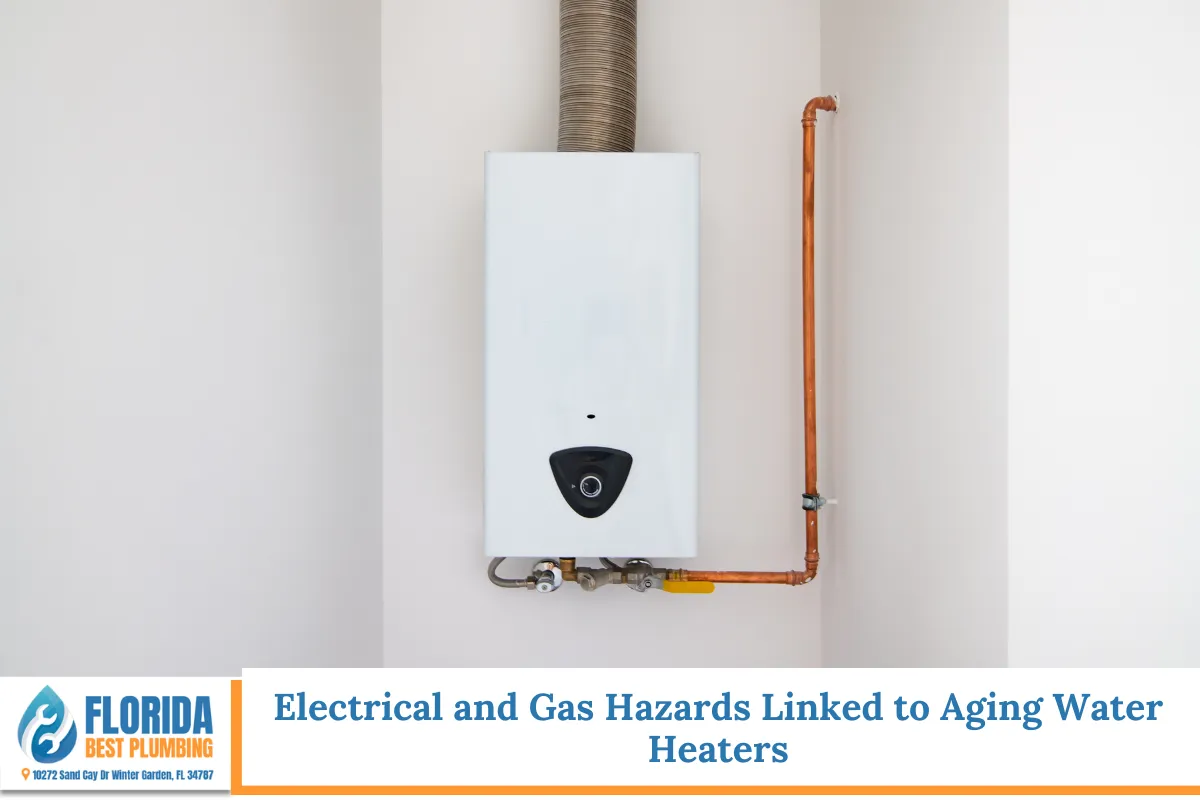
Whether powered by electricity or gas, older water heaters can pose serious safety concerns when components degrade.
Electrical Water Heater Risks
- Frayed wiring
- Failing heating elements
- Corroded electrical connections
These issues increase the risk of shorts or overheating, which can damage the unit or surrounding materials.
Gas Water Heater Safety Concerns
Gas-powered systems introduce additional risks:
- Improper combustion
- Carbon monoxide leaks
- Faulty venting
Older gas water heaters may lack modern safety shutoff features, making water heater installation upgrades especially important for household safety.
Read What Happens if I Delay Water Heater Replacement in Winter Garden, FL?
When Repairs Are No Longer Enough
Minor repairs can extend the life of a water heater, but there is a point where replacement is the smarter and safer choice.
Typical Lifespan of Water Heaters
Most tank-style water heaters last between 8 and 12 years. Tankless systems often last longer but still require regular maintenance.
Repeated Repair Costs
If repairs become frequent, the cumulative cost often exceeds the value of the unit. Investing in a new system provides long-term reliability and peace of mind.
Code Compliance and Insurance Considerations
Outdated systems may not comply with current Florida building codes. Non-compliant installations can affect home insurance coverage and resale value.
Modern Water Heater Options Designed for Safety
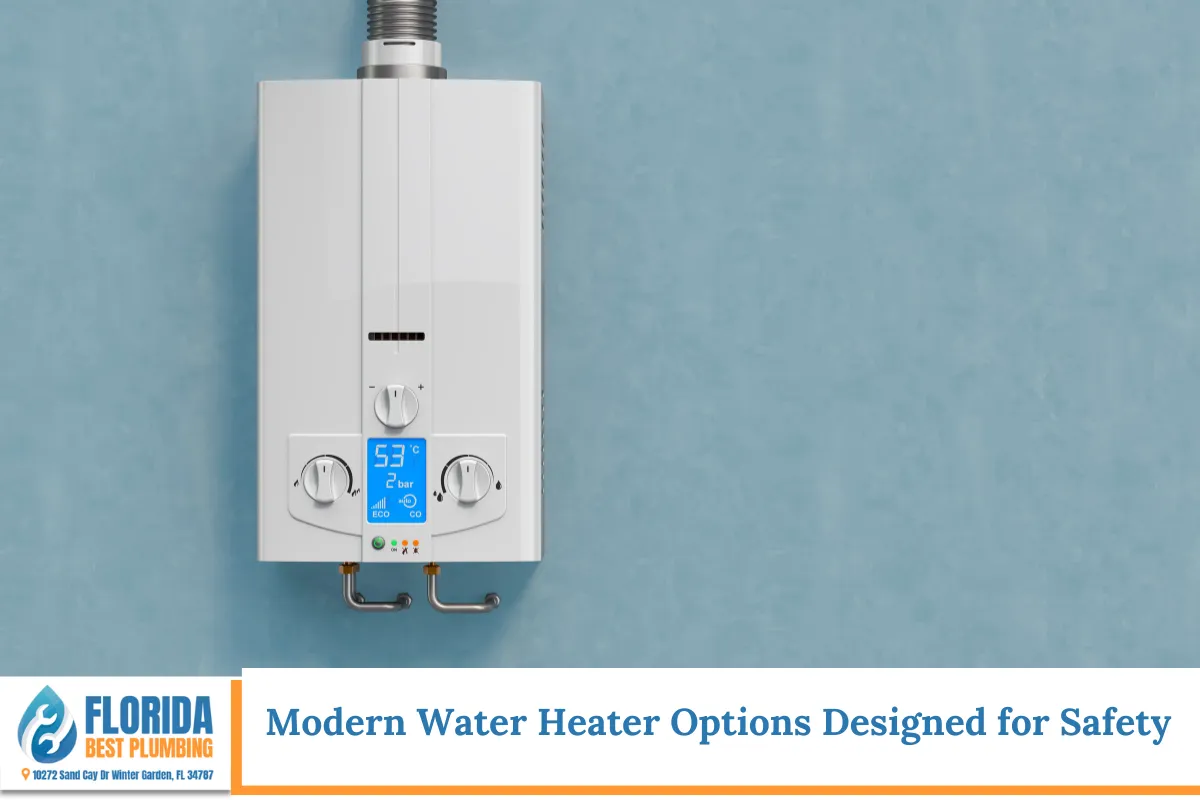
Advancements in water heater technology have significantly improved safety, efficiency, and performance.
Tank Water Heaters with Enhanced Safety Features
Newer tank models include:
- Improved insulation
- Advanced thermostats
- More reliable pressure relief systems
These upgrades reduce overheating and pressure-related risks.
Tankless Water Heaters
Tankless water heaters heat water on demand, eliminating the risk of tank rupture. They also:
- Reduce energy consumption
- Provide consistent hot water
- Take up less space
Proper water heater installation is essential to ensure these systems operate safely and efficiently.
Hybrid and High-Efficiency Models
Hybrid systems combine heat pump technology with traditional heating elements, offering lower operating temperatures and improved safety controls.
Permits, Codes, and Regulations in Winter Garden, Florida
Water heater replacement in Winter Garden must comply with local and state regulations to ensure safety.
Permit Requirements
Most replacements require a permit, especially when:
- Changing fuel type
- Relocating the unit
- Upgrading capacity
Permits ensure installations meet current safety and building standards.
Florida Plumbing Code Compliance
The Florida Plumbing Code governs:
- Proper venting
- Pressure relief valve placement
- Expansion tank requirements
- Electrical and gas connections
Hiring qualified professionals helps ensure compliance and avoids costly violations.
Energy Efficiency and Safety Go Hand in Hand
Older water heaters consume more energy, which often correlates with declining safety.
Overworked Systems
As components wear out, the system runs longer cycles, increasing heat and pressure stress.
Benefits of Energy-Efficient Water Heaters
- Lower utility bills
- Reduced strain on components
- More precise temperature control
Efficiency improvements often come with enhanced safety features, making replacement a smart long-term investment.
Planning a Proactive Water Heater Replacement
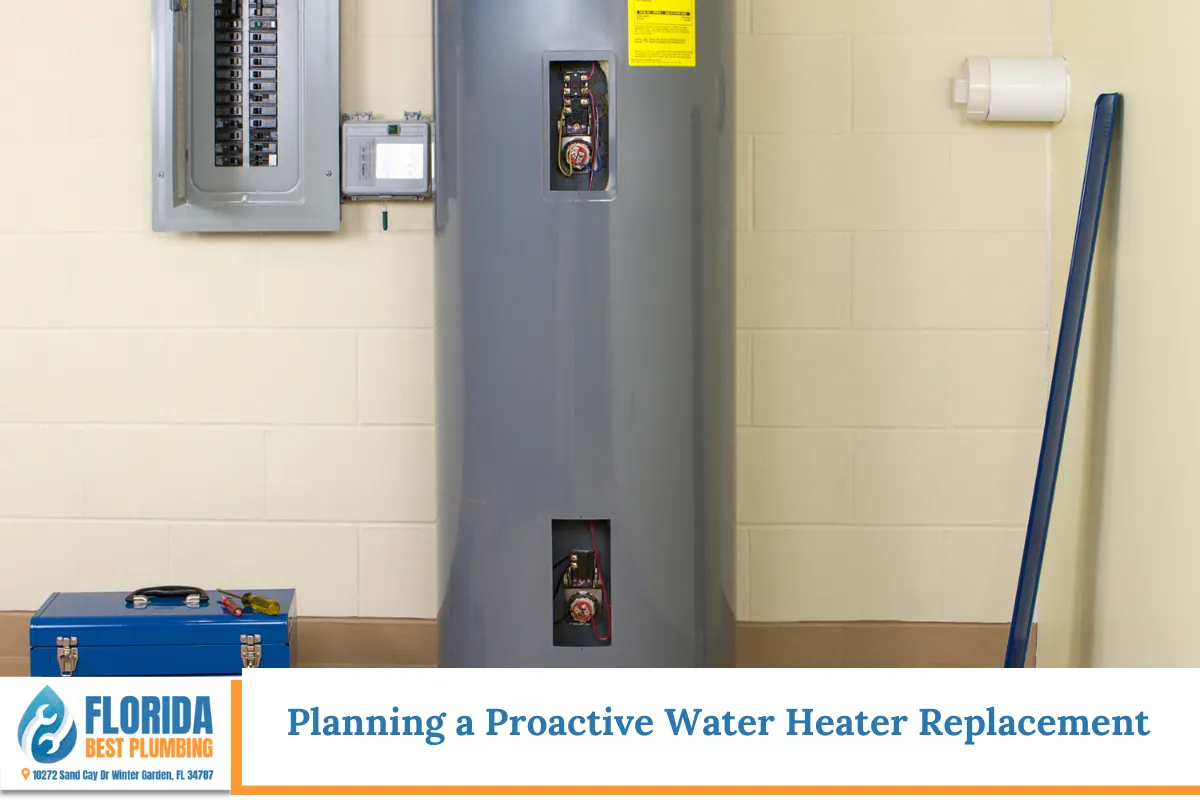
Replacing your water heater before it fails allows you to choose the right system without pressure.
Choosing the Right Size
Proper sizing ensures:
- Consistent hot water
- Reduced overheating
- Longer system life
Professional Assessment
A professional evaluation considers:
- Household demand
- Plumbing configuration
- Energy source
- Safety requirements
This approach ensures the new unit meets both comfort and safety needs.
Long-Term Benefits of Replacing an Old Water Heater
A timely replacement offers more than just hot water reliability.
Improved Home Safety
Modern systems reduce risks associated with leaks, pressure buildup, and gas or electrical failures.
Increased Property Value
Updated plumbing systems are attractive to buyers and inspectors alike.
Peace of Mind
Knowing your system meets current standards allows you to focus on daily life without worrying about sudden failures.
Water Heater Replacement in Winter Garden, FL – Florida Best 24/7 Emergency Best Plumbing LLC
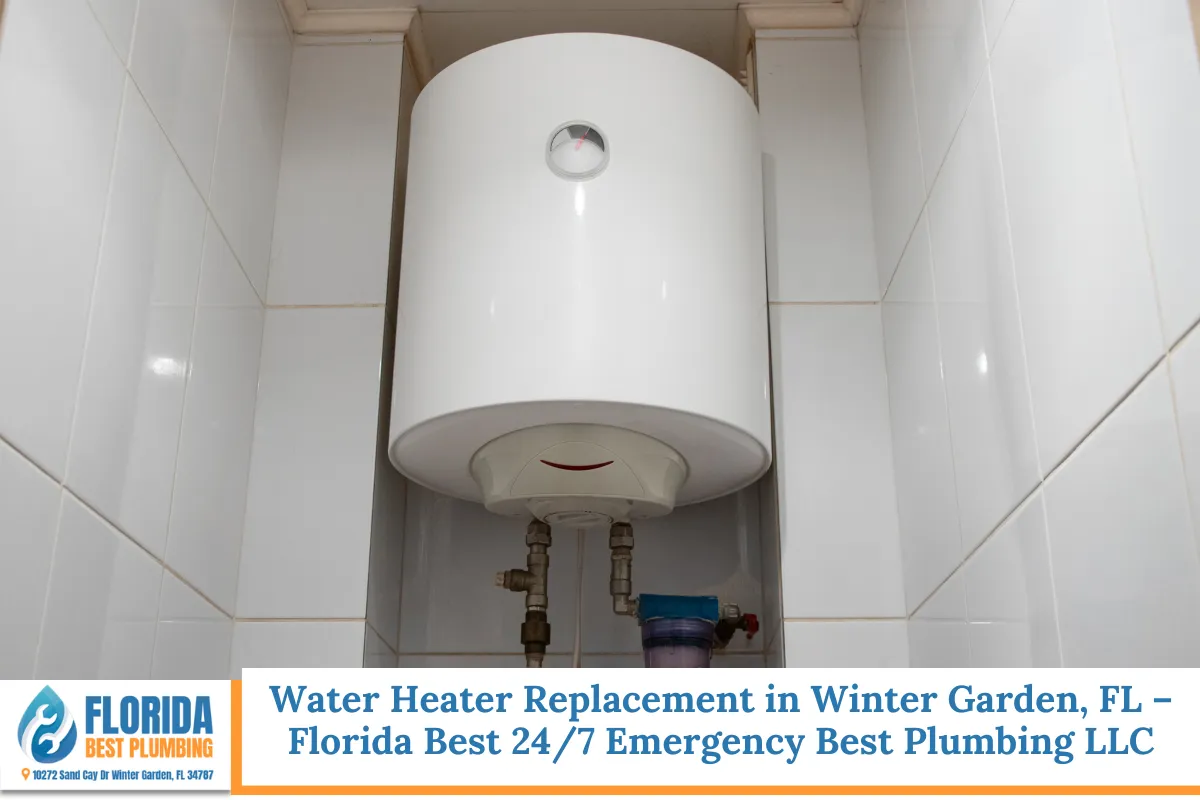
If you suspect your aging water heater may be putting your home at risk, Florida Best 24/7 Emergency Best Plumbing LLC is ready to help. Based in Winter Garden, Florida and serving surrounding areas, our experienced team specializes in water heater replacement and professional water heater installation tailored to your home’s needs. We help homeowners choose safe, efficient water heaters that meet local codes and long-term performance goals. Whether your unit shows warning signs or has reached the end of its lifespan, prompt service can prevent costly damage. Call (407) 683-6644 today or fill out our contact form to schedule an inspection and protect your home with dependable plumbing solutions.
Frequently Asked Questions
1. Can an old water heater actually explode?
While rare, water heater explosions can occur when pressure builds inside the tank due to a failed temperature and pressure relief valve or severe sediment buildup. Older units are more vulnerable because safety components wear out over time. Regular inspections reduce this risk, but once corrosion or valve failure is present, replacement is usually the safest option.
2. Is it safe to keep using a water heater with minor leaks?
Even small leaks can indicate internal corrosion that will worsen. Leaking water can damage flooring, promote mold growth, and weaken the tank structure. Continuing to operate a leaking unit increases the risk of sudden failure. A professional assessment can determine whether repair is possible or replacement is the safer choice.
3. Do tankless water heaters eliminate all safety risks?
Tankless systems remove the risk of tank rupture, but they still require proper installation and maintenance. Gas models must be vented correctly, and electrical units need adequate power supply. When installed correctly, tankless water heaters are considered very safe and reliable.
4. How often should safety components be inspected?
Key safety components such as the pressure relief valve should be checked annually. Sediment flushing is also recommended to maintain efficiency and prevent overheating. Regular inspections help extend the life of water heaters and identify hazards before they escalate.
5. Does replacing a water heater require upgrades to existing plumbing?
Sometimes. Older homes may need expansion tanks, updated venting, or electrical upgrades to meet current codes. A professional installer will evaluate your system and explain any necessary updates to ensure safe and compliant operation.
Disclaimer: This article is for general informational purposes only and does not replace professional inspection or advice. Plumbing systems and code requirements may vary by property. Always consult a licensed plumbing professional for evaluation, installation, or replacement services in Winter Garden, Florida.
Plumbing Repair in Clermont for Low Water Pressure
Need Plumbing Repair in Clermont for low water pressure? Learn common causes in local homes and when to call Florida Best Plumbing LLC for help.
Drain Cleaning in Windermere or Sewer Line Repair?
Drain Cleaning in Windermere or sewer line repair? Learn signs, causes, and when to call Florida Best Plumbing LLC for local help before problems get worse
Sewer Line Repair in Oakland: 7 Warning Signs to Know
Sewer Line Repair in Oakland may be needed if drains back up, odors appear, or wet yard spots form. Learn warning signs and next steps.
Emergency Plumbing in Ocoee: What to Do for Burst Pipes
Need Emergency Plumbing in Ocoee after a pipe bursts? Learn what to do first, how to limit damage, and when to call Florida Best Plumbing LLC.
Water Heater Replacement in Winter Garden, FL: Can Carbon Monoxide Leak from an Old Unit?
When a Failing Water Heater Becomes More [...]
Water Heater Replacement in Winter Garden, FL: The Risks of Incorrect Installation
Water Heater Replacement in Winter Garden, FL [...]