

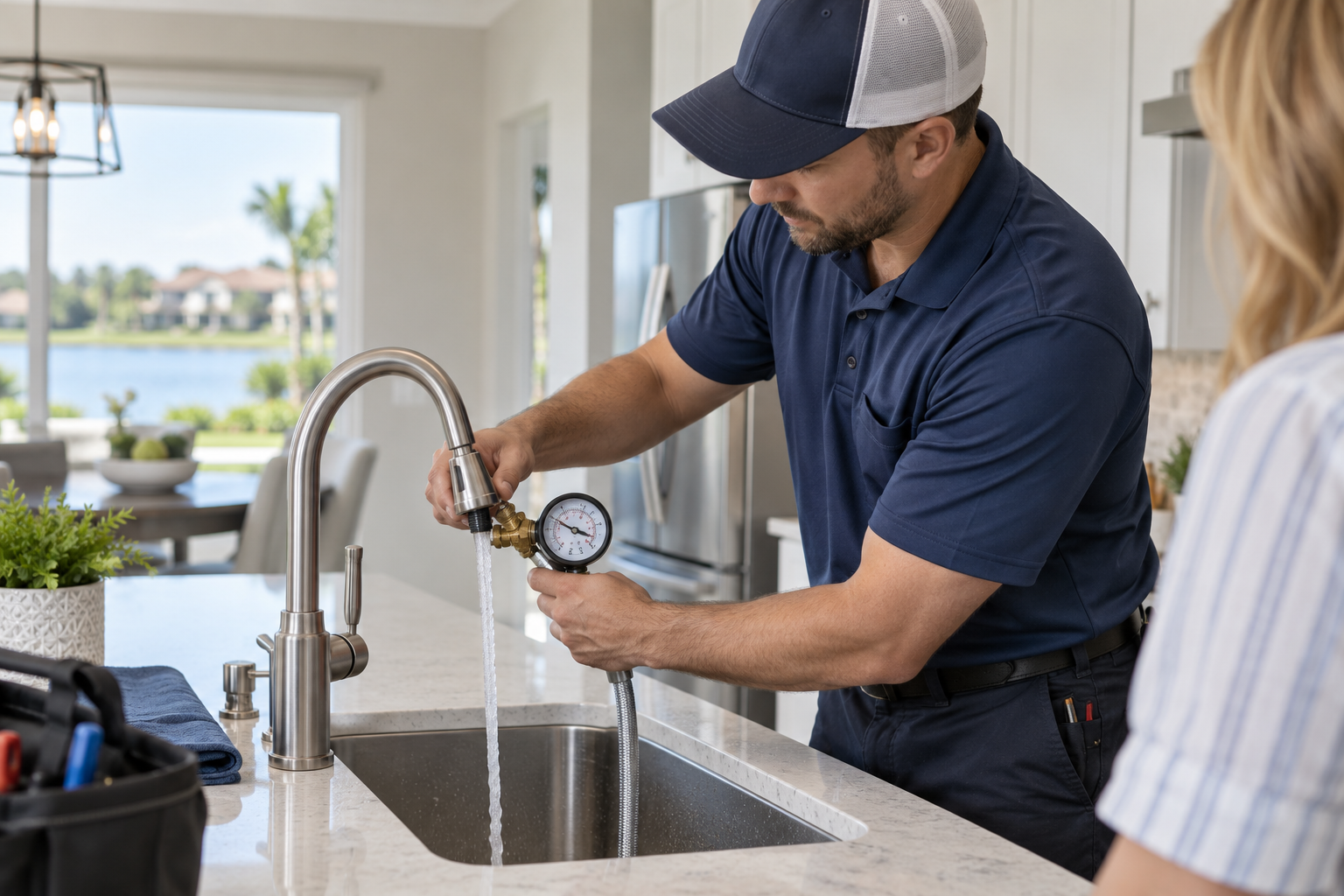
Plumbing Repair in Clermont often starts with a simple question: why did the shower, faucet, or whole building suddenly lose normal water pressure? Low water pressure can come from something as minor as a clogged faucet aerator or as serious as a hidden leak, aging pipe, failing pressure regulator, or sewer and supply line issue. For Clermont homeowners and businesses, the right fix depends on whether the problem affects one fixture, only hot water, or the entire property.
Because Clermont has a mix of established homes, newer neighborhoods, commercial spaces, irrigation systems, and properties built around rolling terrain and lakes, pressure complaints are not always caused by the same thing. A practical first step is to narrow down where and when the pressure drops. From there, a licensed plumber can inspect the system safely and recommend the appropriate repair.
Common Reasons Water Pressure Drops in Clermont Homes
Low pressure is a symptom, not a diagnosis. Before assuming the worst, pay attention to the pattern. If one bathroom sink is weak but the rest of the home is normal, the issue is likely near that fixture. If every faucet is weak, the cause may be closer to the main shutoff valve, pressure regulator, water service line, or municipal supply.
Clogged faucet aerators and showerheads
One of the most common and simplest causes is buildup inside a faucet aerator or showerhead. Minerals, sand, small pipe debris, and sediment can collect in the screen and restrict flow. This is especially noticeable at bathroom sinks, kitchen faucets, and showerheads that gradually lose pressure over time.
If only one fixture is affected, the aerator or showerhead may need cleaning or replacement. If debris keeps returning, that can point to a deeper issue such as deteriorating supply lines, water heater sediment, or work recently performed on the plumbing system.
Partially closed valves
A valve does not have to be fully closed to cause a frustrating pressure drop. Main shutoff valves, fixture supply stops, water heater valves, and valves near filtration equipment can be bumped, left partly closed after service, or become difficult to operate with age.
If pressure dropped shortly after plumbing work, appliance replacement, irrigation service, or a water heater installation, a valve position should be checked. However, older valves can leak or break when forced, so it is best not to overtighten or aggressively turn a valve that feels stuck.
Hidden leaks in walls, slabs, or underground lines
A hidden leak can reduce water pressure because part of the water supply is escaping before it reaches fixtures. In Central Florida homes, leaks may occur under slabs, behind walls, near hose bibbs, at water heaters, or in underground service lines between the meter and the building.
Warning signs may include damp flooring, warm spots on the floor, unexplained water sounds, moldy odors, higher water bills, or areas of the yard that stay unusually wet. The EPA WaterSense leak information explains how household leaks can waste significant amounts of water, which is one reason prompt leak detection matters.
Pressure regulator problems
Some properties have a pressure reducing valve, often called a PRV, that controls incoming water pressure. If it fails or falls out of adjustment, pressure can become too low, too high, or inconsistent. A failing regulator may cause weak flow throughout the home, sudden pressure changes, or fixtures that seem normal one day and poor the next.
Pressure regulators should be tested with the proper gauge and adjusted or replaced carefully. Too much pressure can damage fixtures and appliances, while too little pressure makes daily use inconvenient. A plumber can determine whether the regulator is the issue or if the pressure loss is happening elsewhere.
Corroded, restricted, or aging pipes
Older pipes can develop internal buildup that narrows the pathway for water. Galvanized piping, older supply lines, and sections affected by mineral deposits may restrict flow gradually. When restrictions become severe, multiple fixtures may run weakly even when valves are open and no obvious leak is present.
In these situations, spot repair may not solve the entire problem. Repiping may be appropriate when the piping system is deteriorated, leaking repeatedly, or no longer delivering reliable flow. Florida Best Plumbing LLC provides repiping services along with leak detection and repair for residential and commercial plumbing systems.
Water heater sediment or hot-side restrictions
If pressure is only low when using hot water, the water heater or hot water piping may be involved. Sediment can collect inside tank-style water heaters over time, and valves or connectors near the heater can restrict flow. A hot-side pressure problem may show up in showers, tubs, kitchen sinks, or laundry fixtures.
Water heaters should be inspected carefully because they involve plumbing connections, temperature control, and safety components. If the unit is aging, leaking, producing discolored water, or not keeping up with demand, water heater replacement or repair may need to be discussed.
Drain or sewer problems that feel like pressure issues
Sometimes a homeowner describes a plumbing problem as low pressure when the real issue is slow drainage. For example, a shower may feel weak if water pools around the drain, or a sink may seem to perform poorly when the drain line is restricted. Drain clogs, sewer line problems, and venting issues can all affect how fixtures behave.
If water comes out of the faucet normally but drains slowly, drain cleaning or sewer line repair may be the right service rather than water supply repair. A plumber can separate supply-side pressure problems from drain-side flow problems during the inspection.
When Plumbing Repair in Clermont Is the Right Next Step
Plumbing Repair in Clermont is recommended when low pressure affects multiple fixtures, appears suddenly, returns after basic cleaning, or comes with signs of leaks or water damage. It is also wise to call a plumber if pressure changes after work on the water heater, irrigation system, filtration equipment, or main shutoff valve.
For a single weak faucet, you can check whether the aerator is clogged and confirm the supply valves under the sink are open. For a whole-home issue, avoid disassembling pressure regulators, main valves, or water heater connections unless you are trained to do so. These parts can create bigger leaks if handled incorrectly.
Florida Best Plumbing LLC provides licensed plumbing services from Florida Best Plumbing LLC for residential and commercial customers, including leak detection and repair, drain cleaning, toilet and faucet repair, bathtub and shower replacement, repiping, sewer line repair, backflow testing and certification, and water heater installation or replacement.
How a Plumber Diagnoses Low Water Pressure
A proper diagnosis usually begins with questions about where the pressure is low, whether it affects hot water, cold water, or both, and when the problem started. The plumber may test pressure at hose bibbs, inspect visible valves, check fixtures, evaluate the water heater, and look for signs of hidden leaks.
If the problem appears isolated, fixture repair may solve it. If the pressure is low throughout the property, the plumber may inspect the main supply, PRV, service line, water meter area, and branch piping. For businesses, the inspection may also include backflow assemblies, commercial fixtures, and equipment connections.
The goal is to avoid guessing. Replacing a showerhead will not fix an underground leak, and adjusting a regulator will not clear a clogged aerator. Accurate diagnosis helps match the repair to the cause.
FAQs About Low Water Pressure
Why is my water pressure low in only one bathroom?
If only one bathroom is affected, the cause is often a clogged aerator, restricted showerhead, partly closed fixture valve, or a localized pipe issue. If both the sink and shower in that bathroom are weak, the branch line serving that area may need inspection.
Why is my hot water pressure lower than my cold water pressure?
Hot-only pressure problems often point to the water heater, a valve near the heater, sediment, or a restriction in the hot water piping. A plumber can test the hot and cold sides separately to find the source.
Can a hidden leak really lower water pressure?
Yes. A leak can divert water before it reaches fixtures, especially if it is on a main line or under a slab. Low pressure combined with damp areas, water sounds, or rising water bills should be checked promptly.
Is low water pressure an emergency?
It can be, depending on the cause. Low pressure with visible flooding, a suspected slab leak, no usable water, or water near electrical components should be treated urgently. Florida Best Plumbing LLC states that 24/7 emergency plumbing service is available.
Get Help With Low Water Pressure in Clermont
Low water pressure is inconvenient, but it is also useful information. It can point to fixture buildup, a valve problem, a leak, a failing pressure regulator, restricted piping, water heater trouble, or a drain issue that needs attention. For Plumbing Repair in Clermont, Florida Best Plumbing LLC can inspect the problem, explain the likely cause, and provide the plumbing repair service that fits your home or business. Contact Florida Best Plumbing LLC when you are ready for clear, professional help with low water pressure or another plumbing concern.
Plumbing Repair in Clermont for Low Water Pressure
Need Plumbing Repair in Clermont for low water pressure? Learn common causes in local homes and when to call Florida Best Plumbing LLC for help.
Drain Cleaning in Windermere or Sewer Line Repair?
Drain Cleaning in Windermere or sewer line repair? Learn signs, causes, and when to call Florida Best Plumbing LLC for local help before problems get worse
Sewer Line Repair in Oakland: 7 Warning Signs to Know
Sewer Line Repair in Oakland may be needed if drains back up, odors appear, or wet yard spots form. Learn warning signs and next steps.
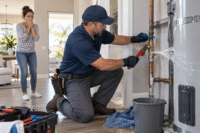
Emergency Plumbing in Ocoee: What to Do for Burst Pipes
Need Emergency Plumbing in Ocoee after a pipe bursts? Learn what to do first, how to limit damage, and when to call Florida Best Plumbing LLC.
Water Heater Replacement in Winter Garden, FL: Can Carbon Monoxide Leak from an Old Unit?
When a Failing Water Heater Becomes More [...]
Water Heater Replacement in Winter Garden, FL: The Risks of Incorrect Installation
Water Heater Replacement in Winter Garden, FL [...]